Last Updated: October 29, 2026
Quick Summary
A volunteer can dispute a volunteer background check by submitting a written dispute to the consumer reporting agency that produced the report. Under the Fair Credit Reporting Act, the agency must reinvestigate and correct inaccurate items, generally within 30 days. Gather court records and other supporting documents before disputing.
- Submit the dispute in writing to the agency that produced the report, and keep a delivery record.
- Identify the exact court, case number, charge, and disposition you believe is wrong.
- The agency generally has 30 days to reinvestigate, with a possible 15-day extension.
- Organizations should send a pre-adverse action notice with a copy of the report before deciding.
- Complain to the CFPB or your state attorney general if the agency fails to meet its obligations.
Table of Contents
- What a Volunteer Background Check Covers
- Building a Volunteer Background Check Policy
- Getting Written Consent: The Volunteer Background Check Consent Form
- How Long a Volunteer Background Check Takes
- Using Results: Adverse Action and FCRA Notice Requirements
- How to Dispute a Background Check Result
- Setting Up Your Next Volunteer Screening Process
- Frequently Asked Questions
Volunteer background checks are one of the most common ways nonprofits, schools, churches, and youth programs protect the people they serve. This guide covers what volunteer screening involves in the United States. Many organizations treat the report as final, yet the Fair Credit Reporting Act gives individuals real rights to challenge inaccurate information. Here is how the process works, where errors come from, and how to dispute a result.
What a Volunteer Background Check Covers
A volunteer background check is a review of a person's history, usually including criminal records, sex offender registries, and identity verification. The depth of the check depends on the role and the organization's policy.
Which Volunteers Need Screening
Screening depth should match the access a volunteer has to children, vulnerable adults, money, or sensitive information. Common triggers include:
- Working alone with minors or vulnerable adults
- Handling cash, keys, or financial records
- Driving participants in organization vehicles
Many organizations apply the same standard to all volunteers, which is simpler to administer but can create unnecessary friction for low-risk roles.
Common Causes of Background Check Errors
Errors usually come from data problems, not bad intent. Frequent causes include:
- Name matches with a different person
- Records that were sealed, expunged, or dismissed but still appear
- Outdated disposition data that never reflects a final outcome
Catching these early saves volunteers and staff a lot of trouble later.
Building a Volunteer Background Check Policy
A written volunteer background check policy protects both your organization and your volunteers. It should define which roles require screening, what the check includes, who reviews results, and how decisions are made. Consistency matters because inconsistent screening invites fairness complaints.
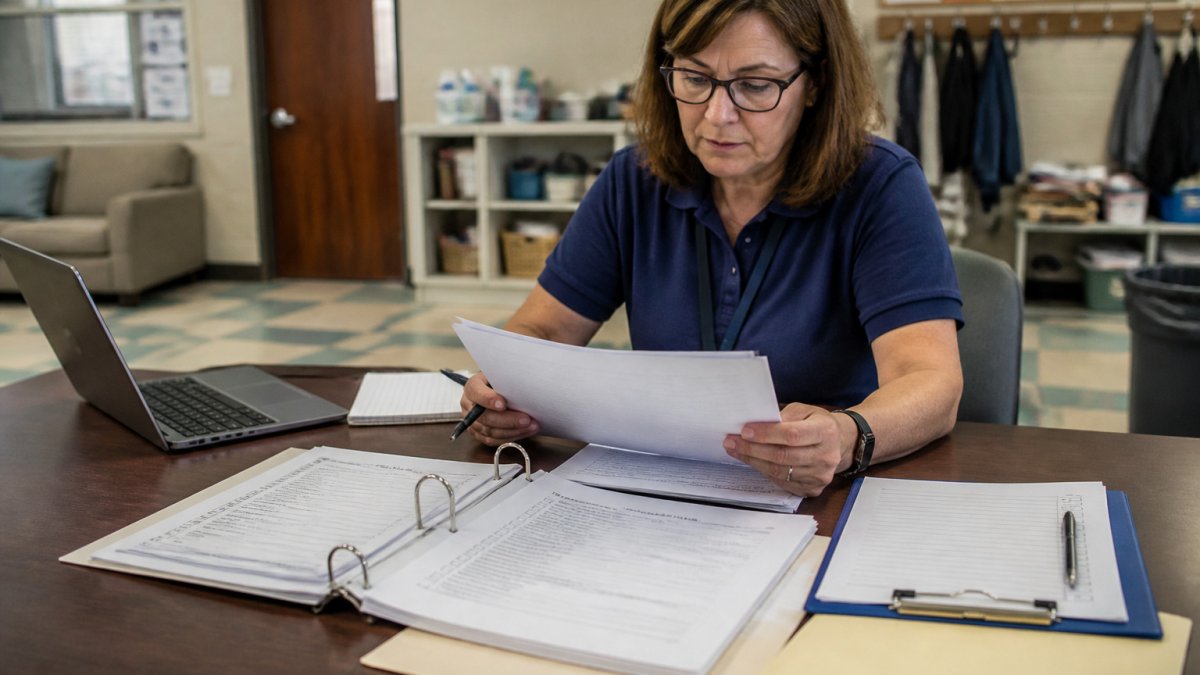
A strong policy also explains how volunteers can respond to findings. Build in a step for reviewing questionable results before any decision is made.
Getting Written Consent: The Volunteer Background Check Consent Form
Under the Fair Credit Reporting Act, an organization generally must obtain written authorization before ordering a consumer report on a volunteer. The consent form should be a standalone document, clearly disclose that a background report will be obtained, and be signed by the volunteer before the check begins.
Keep signed forms on file. They are your proof that the process was properly authorized.
How Long a Volunteer Background Check Takes
Turnaround time depends on the scope of the search and how many jurisdictions are involved. A basic national database search can return quickly, while county-level criminal records may take longer. Many organizations build a buffer into volunteer start dates so that a pending check does not leave a program understaffed.
Ask your screening provider for its typical turnaround time before you commit to a schedule.
Using Results: Adverse Action and FCRA Notice Requirements
If an organization plans to take adverse action based on a background report, denying a volunteer role, withdrawing an offer, or removing a current volunteer, the FCRA requires a specific two-step notice sequence. Skipping or compressing these steps is one of the most common compliance mistakes organizations make, and it is also the point where volunteers have the most leverage to correct errors.
The two-step adverse action sequence
- Pre-adverse action notice. Before the decision is final, the organization must send the volunteer a copy of the report and a summary of FCRA rights (the CFPB publishes a model summary). This gives the volunteer a chance to review the report and dispute anything inaccurate.
- Waiting period. The FCRA does not specify an exact number of days, but most practitioners treat five business days as a reasonable minimum. The purpose is to give the volunteer a genuine opportunity to respond before the decision is final.
- Adverse action notice. If the organization still proceeds after the waiting period, it must send a final notice stating that adverse action was taken, the name and contact information of the CRA, a statement that the CRA did not make the decision, and notice of the volunteer's right to dispute the report and to obtain a free copy from the CRA within 60 days.
What each notice should contain
A defensible pre-adverse action notice includes the report itself, the CFPB summary of rights, and a clear statement of the waiting period and how to respond. The final adverse action notice should identify the CRA, state that the CRA did not make the decision, and explain the volunteer's dispute and free-report rights. Keep copies of both notices and proof of delivery in the volunteer file.
When a volunteer disputes during the waiting period
If a volunteer submits a dispute before the waiting period ends, the organization should pause the decision until the reinvestigation is complete. Proceeding while a dispute is open weakens the organization's position and may expose it to liability if the report turns out to be wrong. A common pattern is for the organization to document the pause in writing and to notify the volunteer of the new timeline.
If an offer is rescinded while a dispute is pending
This is the scenario most guides skip, and it is where volunteers feel the most pressure. If an organization rescinds a volunteer offer based on a report you believe is inaccurate:
- Ask for the report and the adverse action notice in writing. You are entitled to both, and they tell you which CRA to dispute with.
- Dispute immediately and tell the organization you are disputing. A short written note to the volunteer coordinator explaining that a dispute is open and providing the CRA reference number often leads organizations to hold the decision.
- Request that the organization reconsider if the dispute is resolved in your favor. Many volunteer policies allow reinstatement if the corrected report clears the issue.
How to Dispute a Background Check Result
Volunteers have the right under the Fair Credit Reporting Act (FCRA) to dispute inaccurate or incomplete information directly with the consumer reporting agency (CRA) that produced the report (How do I dispute an error on my credit report?). The process is more structured than most people expect, and following it precisely is what preserves your options if the agency does not resolve the issue.
Start a confidential consultation →
Step-by-step dispute process
- Identify the specific item you believe is wrong. Pull the report the organization received and note the exact record, the court, case number, charge, disposition, and date. Vague disputes get vague answers.
- Gather supporting documents. Court disposition records, proof of expungement or sealing, a certificate of rehabilitation where available, and a government-issued ID are the core evidence. If the error is a mixed file (someone else's record attached to your identity), include proof of your Social Security number and address history.
- Submit a written dispute to the CRA that produced the report. The FCRA requires disputes to be in writing to trigger the reinvestigation obligation. Keep a copy and send it by a method that produces a delivery record.
- Ask the agency to reinvestigate and correct or remove the item. Under FCRA Section 611, the agency generally must conduct a reasonable reinvestigation and notify the furnisher of the disputed information.
- Request an updated copy of your report once the reinvestigation is complete, and confirm in writing that the corrected report has been sent to the organization that requested it.
What the FCRA requires of the agency
The FCRA gives the CRA a 30-day window to complete a reinvestigation, with a possible 15-day extension if you provide additional information during the process (How long does it take to repair an error on a credit report?). The agency must consider all relevant information you submit, notify the furnisher of the dispute, and provide you with written results and a free updated report if anything changes.
Sample dispute letter template
Use this as a starting point and attach copies (not originals) of your supporting documents:
[Your full name] [Your address] [Your date of birth] [Report reference number] [Date]
To: [Consumer reporting agency dispute department]
I am writing to dispute inaccurate information in my consumer report. The item in question is: [court, case number, charge, disposition, date]. This information is inaccurate because [explain: e.g., the record was expunged on (date); the record belongs to another individual with a similar name; the disposition shown is incorrect].
Enclosed are copies of [list documents]. Please reinvestigate this item under FCRA Section 611 and correct or remove it. Please send me the results of your reinvestigation and an updated copy of my report.
Sincerely, [Signature]
If the agency does not respond or confirms a false result
Most disputes resolve within the 30-day window, but not all do. If the agency misses the deadline, fails to notify the furnisher, or verifies an item you can prove is wrong, you have options beyond the initial dispute:
- File a complaint with the Consumer Financial Protection Bureau (CFPB). The CFPB accepts complaints about consumer reporting agencies and forwards them to the company for a response.
- File a complaint with your state attorney general. State AGs often act on patterns of CRA noncompliance.
- Consult a consumer law attorney. The FCRA provides a private right of action for willful or negligent noncompliance, and some attorneys handle these cases on a contingency basis.
The article lays out the core dispute steps and the agency's FCRA timelines, which a reader can scan at a glance.
| Step | What to do | Time or frequency |
|---|---|---|
| Identify the item | Note the exact court, case number, charge, disposition and date | Before disputing |
| Gather documents | Disposition records, expungement proof, certificate of rehabilitation, ID | Before submitting |
| Submit written dispute | Send to the CRA that produced the report, by a trackable method | At the start |
| Reinvestigation | CRA reinvestigates and notifies the furnisher | 30 days, plus possible 15-day extension |
| Request updated report | Ask for corrected copy and written confirmation | After reinvestigation |
Setting Up Your Next Volunteer Screening Process
A reliable process combines a clear policy, proper consent, careful review of results, and a documented dispute path.
Frequently Asked Questions
Can a volunteer background check be disputed? Yes.
Do volunteers need to consent to a background check? Generally, yes.
How long does a volunteer background check take? Turnaround varies with the scope of the search. Basic database checks can return quickly, while county-level criminal searches take longer.
Frequently Asked Questions
How do volunteer organizations conduct background checks?
Most organizations start with a written application, collect the volunteer's signed authorization, and then order a check through a consumer reporting agency or a state or national database. The check typically covers criminal records, sex offender registries and identity verification. The organization should compare results against a written policy that defines which findings disqualify an applicant and which require review. Keeping that policy consistent across all applicants reduces legal risk and makes decisions easier to defend.
Do volunteer organizations need consent to run a background check?
Under the Fair Credit Reporting Act, an organization that uses a third-party consumer reporting agency must give the volunteer a standalone written disclosure and obtain written authorization before ordering the report. Many states add their own consent or disclosure rules. The consent form should be separate from the application and clearly state that a report will be obtained. Organizations that run checks in-house from public records may face fewer FCRA obligations, but state requirements still apply.
How long does a volunteer background check take?
Turnaround depends on the search type. Turnaround varies by the type of check, so organizations should confirm timing with their screening provider and build it into their onboarding schedule. Telling volunteers in advance keeps a pending check from looking like a rejection.
What should an organization do if a volunteer disputes a background check?
If an adverse decision is based in whole or in part on a consumer report, the organization must give the volunteer a pre-adverse action notice with a copy of the report and a summary of rights, allow a reasonable period to respond, and then send a final adverse action notice if the decision stands. The volunteer may dispute inaccurate information directly with the reporting agency, which generally has 30 days to investigate. Organizations should pause the decision during that window and reconsider if corrected information changes the outcome.
