Last Updated: October 30, 2026
Quick Summary
Most private investigation cases take anywhere from a few days to several months, depending on what needs to be found, how many people are involved, and whether the evidence will be used in court. Simple background checks may finish in under a week, while complex matters can run much longer.
- Simple checks usually take days to a couple of weeks.
- Surveillance projects typically run from a few days to several weeks.
- Complex litigation or corporate matters often take several weeks to months.
- Each additional subject or location adds time to the investigation.
- Evidence that will be used in court requires careful documentation, which can extend the timeline.
Table of Contents
- How Long a Private Investigation Case Usually Takes
- The Typical Stages of a Private Investigation Case
- How Long Does Surveillance Take?
- How Long Does a Locate Investigation Take?
- Factors That Affect Investigation Length
- Questions to Ask a Private Investigator Before Hiring
- Scheduling Your Confidential Consultation
- Frequently Asked Questions
How Long a Private Investigation Case Usually Takes
Most private investigation cases take anywhere from a few days to several months. To learn when hiring an investigator makes sense in a divorce and what evidence holds up, read Hiring Private Investigators for Divorce Cases. The exact length depends on what you need found, how many people are involved, and whether the evidence will be used in court.
A simple background check or single-day surveillance may wrap up in under a week. A complex matter involving multiple subjects, records searches, or court testimony can run much longer. Timelines are best discussed during a confidential consultation, since they depend on the specifics of your situation. For current pricing, visit the Special Solutions, Ltd. website or request a quote.
- Simple checks: days to a couple of weeks
- Surveillance projects: a few days to several weeks
- Complex litigation or corporate matters: several weeks to months
Timelines vary by case type, and the article's typical ranges are summarised below.
| Case type | Typical length | Note |
|---|---|---|
| Simple checks | Days to a couple of weeks | Background checks and single-day work |
| Surveillance projects | A few days to several weeks | Depends on the pattern being documented |
| Complex litigation or corporate matters | Several weeks to months | Multiple subjects or court testimony |
The Typical Stages of a Private Investigation Case
Most cases follow a similar path, even though each one is different. Knowing these stages helps you plan around your deadlines.
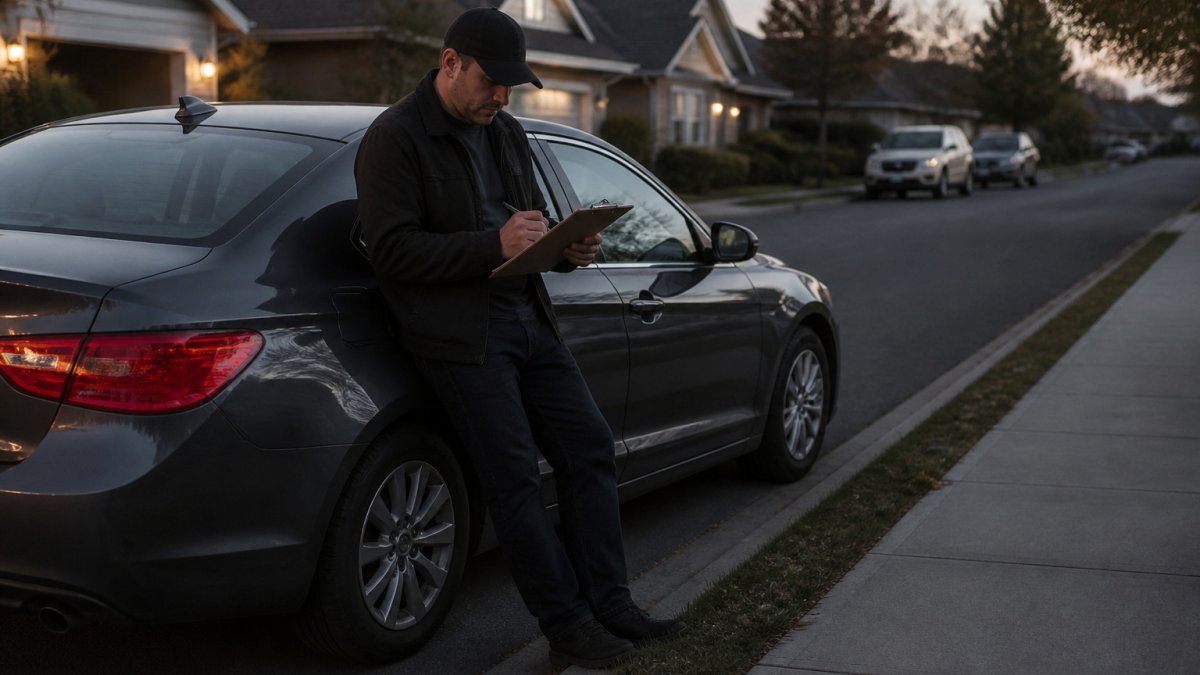
- Initial consultation. You explain the goal, the people involved, and any legal deadlines.
- Case scoping. The investigator reviews what is needed and sets a plan.
- Field work or records research. This is the main phase, where observations are made or public and private records are searched.
- Documentation. Findings are recorded in a way that holds up in a courtroom.
- Reporting and review. You receive a written report and can ask questions about what was found.
How Long Does Surveillance Take?
Surveillance typically runs from one day to several weeks. To see how documented observation is scoped and recorded so it holds up in court, review Surveillance & Cohabitation. A single-day observation may be enough to answer a narrow question, such as where a person goes during work hours. Longer surveillance is needed when a pattern of behavior must be documented over time.
Weather, travel, and the subject's routine all affect how long the work takes.
How Long Does a Locate Investigation Take?
A locate investigation is used to find a person who has moved or does not want to be found. Simple locates may be resolved in a few days using public records. Harder cases, where someone has deliberately hidden their location, can take several weeks. Learn how service of process and locates are handled, including subjects who have chosen not to be found.
The process usually includes:
Start a confidential consultation →
- Reviewing public and commercial records
- Verifying leads through field checks
- Confirming the current address before any service of documents
Factors That Affect Investigation Length
Several factors determine how long a case takes. Understanding them helps you set realistic expectations.
- The number of subjects being investigated
- The type of evidence needed
- How much information you already have
- Whether the case involves court testimony
- Access restrictions, travel, or weather
Scope and Number of Subjects
Each additional person or location adds time. A case focused on one subject can often be completed faster than one covering several people across different cities. Clear goals at the start keep the timeline under control.
Evidence Requirements for Court
If the findings will be used in a divorce, custody matter, or civil lawsuit, the documentation must meet strict standards. See how investigator testimony and evidence are prepared for family court. Careful record-keeping and, when needed, investigator testimony can add time. Planning for court from the beginning avoids delays later.
Questions to Ask a Private Investigator Before Hiring
Asking the right questions up front helps you compare firms and avoid surprises. Consider asking:
- How long do you expect this type of case to take?
- What will the final report include?
- Are your investigators prepared to testify in court?
- What happens if the evidence I need cannot be obtained?
- How is my information kept confidential?
Straight answers to these questions are a good sign of a professional firm. For direct answers on costs, reporting, and whether investigators testify, see what we can and cannot do.
Scheduling Your Confidential Consultation
Every case starts with a conversation. Start a confidential consultation with Special Solutions, Ltd. to discuss your matter.
Frequently Asked Questions
How long does a private investigation usually take?
Most private investigation cases run anywhere from a few days for a simple background check or single-day surveillance to several months for complex litigation support or multi-subject fraud matters. The timeline depends on the scope of work, how cooperative the subject's routine is, how many records must be pulled, and whether the evidence must meet court standards. A reputable firm will give you a range based on your specific facts rather than a single guaranteed date, and will update you as the case develops.
Can a private investigator give an exact timeline?
Usually not an exact one. Investigators can estimate a likely range after reviewing the facts, but surveillance depends on the subject's behavior and records requests depend on agencies outside the firm's control. Be cautious of anyone who promises a fixed completion date without first understanding the case. A clear estimate with defined milestones is a better sign of professionalism than a guaranteed deadline.
How often should I expect updates during an investigation?
Update frequency should be agreed on before the work begins. Ask how updates will be delivered, who your point of contact is, and whether reporting will be written or verbal. Confidential matters often require secure channels for communication.
